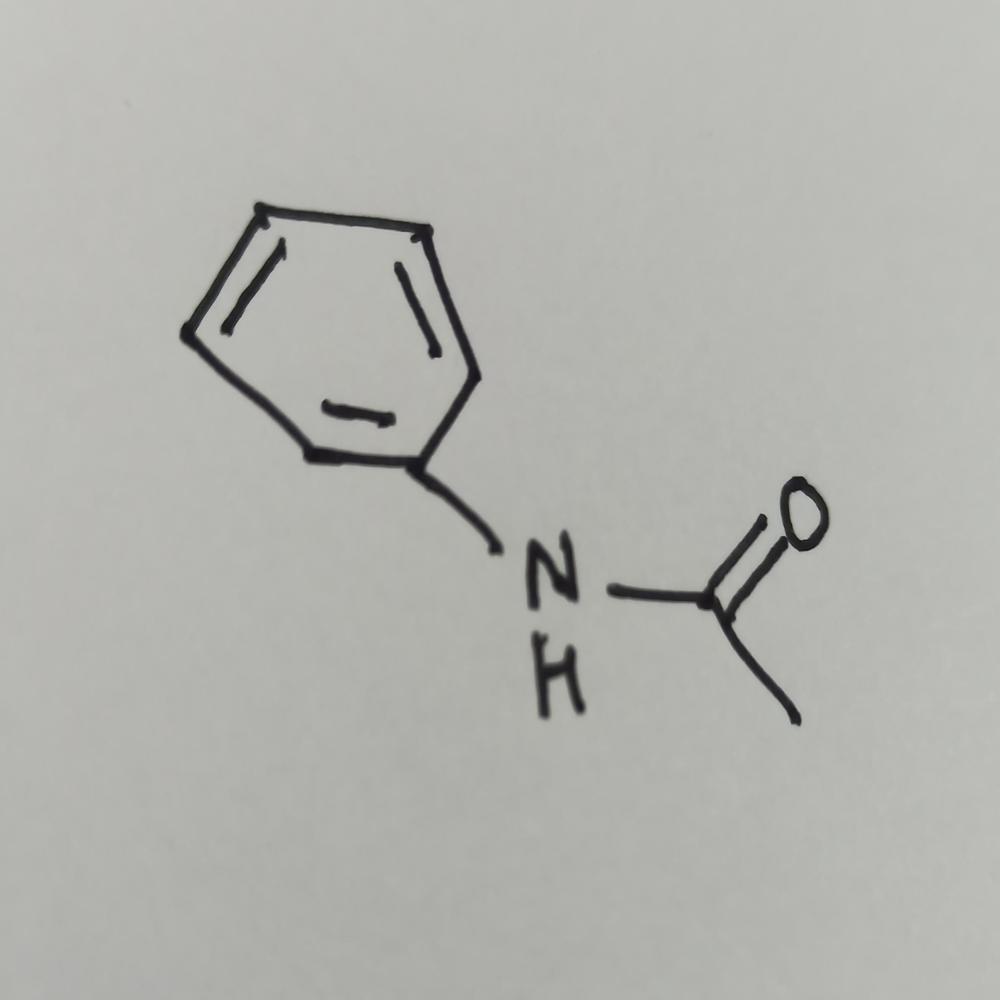
Acetanilide Reagent About
Phenyl hydrazine HCl is Off- White to light brown powder.Phenylhydrazine HCl is used worldwide mainly as a chemical intermediate in the pharmaceutical, agrochemical and chemical indutries. The accompanying oxidation of phenyl hydrazne leads to the formation of the number of product, including benzene nitrogen hydrogen peroxide, superoxide anion and the phenyl radical. The products formed depend critically on the conditions of the experiment, especially the amount of oxygen present. Synonyms- Phenylhydrazinium chloride , Hydrazine-phenyl- monohydrochloride .Cas No. 59-88-1.Versatility in Chemical Analysis and IndustryAcetanilide Reagent serves as an essential laboratory reagent, offering precise analytical outcomes in chemical analysis. Its high purity and stable crystalline form support its use not only as an analytical reagent but also as an intermediate in the production of dyes and pharmaceuticals. Its adaptability in multiple solvents makes it a preferred choice in both research and industrial applications.
Rigorous Quality and Safe StorageTo maintain its integrity, Acetanilide Reagent is packed securely in HDPE bottles or amber glass containers, protecting it from light and contamination. Its stability under normal storage conditions and minimum three-year shelf life ensure consistent performance. It must be stored in a cool, dry, ventilated area away from strong acids and oxidizing agents, supporting laboratory safety protocols.
FAQ's of Acetanilide Reagent:
Q: How should Acetanilide Reagent be stored to ensure maximum shelf life?
A: Store Acetanilide Reagent in tightly closed HDPE or amber glass bottles, in a cool, dry, well-ventilated place away from strong acids and oxidizers. This preserves its stability and quality for at least three years.
Q: What is the primary usage of Acetanilide Reagent in the laboratory?
A: Acetanilide Reagent is primarily used as an analytical reagent in chemical analysis and also serves as an intermediate for dye and pharmaceutical manufacturing due to its consistent purity and reliable performance.
Q: When is Acetanilide Reagent considered unsafe to use?
A: It should not be used if the appearance changes significantly, if it's exposed to strong acids or oxidizers, or if it's past its recommended shelf life. Always check for any contamination before use.
Q: Where is Acetanilide Reagent commonly applied outside the laboratory?
A: Beyond analytical laboratories, Acetanilide Reagent is employed in the manufacture of dyes and pharmaceuticals as an intermediate compound, leveraging its organic properties.
Q: What process should be followed in case of accidental exposure to Acetanilide Reagent?
A: If accidental contact occurs, immediately rinse the affected area with plenty of water, remove contaminated clothing, and seek medical assistance if necessary. Use personal protective equipment to minimize risk during handling.
Q: How does the solubility of Acetanilide Reagent benefit laboratory applications?
A: Its slight solubility in water combined with high solubility in alcohol, chloroform, and ether enhances its usefulness in various analytical protocols, allowing it to be easily used in solvent extraction and chemical synthesis processes.






 Send Inquiry